Defamatory YouTube Video Removal
A false accusation, a doctored clip, or a malicious commentary video on YouTube does not stay contained. It gets indexed by Google, summarised by AI Overviews and chatbots, and shown to anyone who searches your name — often before they ever hear your side of the story. If a defamatory YouTube video is damaging your reputation, there is a legal path to get it removed from YouTube itself and cleared from Google, Bing and AI search results.
What Counts as a Defamatory YouTube Video
Defamation law (libel, since it is published in fixed video form) generally requires four things: a false statement presented as fact, published to a third party, that identifies you or your business, and that causes reputational or financial harm. Genuine opinion, satire clearly labelled as such, and true statements — however unflattering — are not defamatory. Videos that typically qualify include fabricated accusations of crime, fraud, or misconduct; manipulated or selectively edited footage that misrepresents what actually happened; fake “exposé” or “reaction” videos built on invented claims; and commentary channels that present rumour or speculation as established fact.
Why Ignoring It Rarely Works
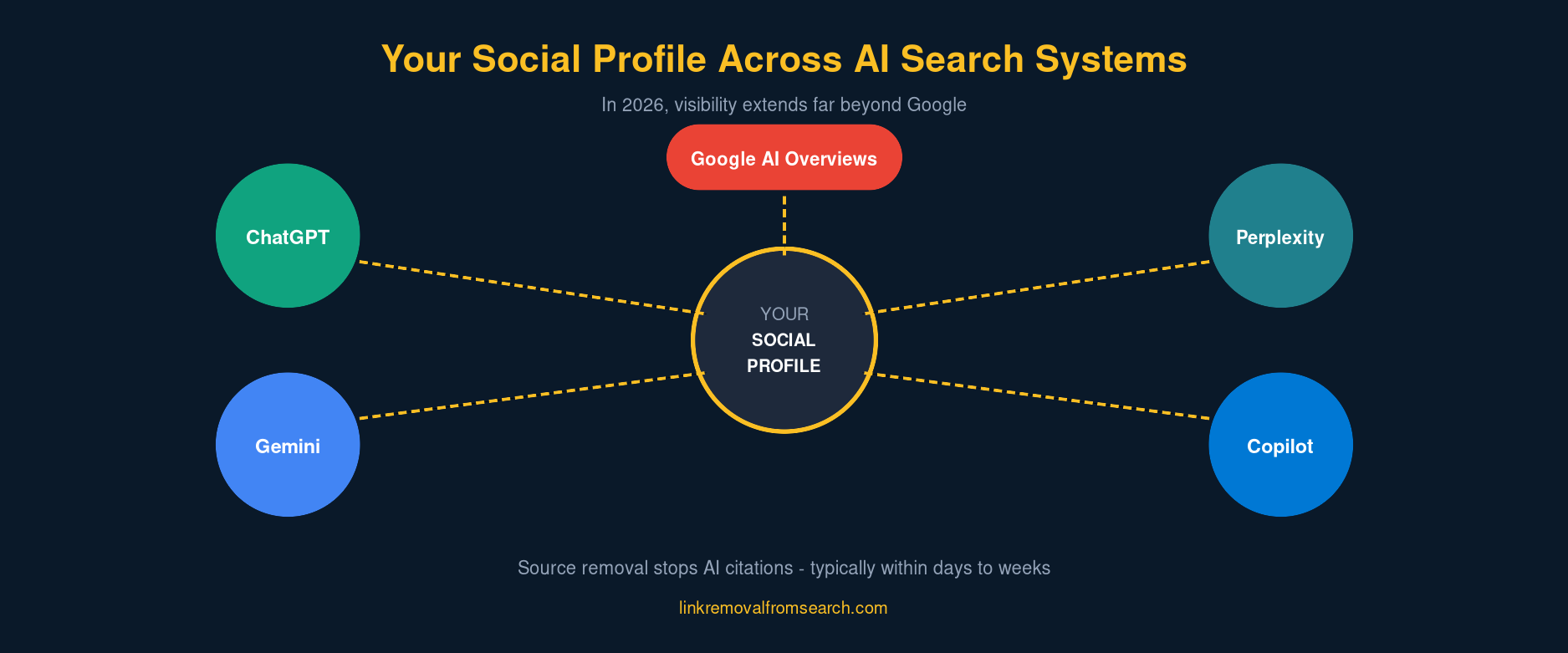
A defamatory video does not lose relevance on its own. It keeps accumulating views, comments and shares, and search engines treat that ongoing engagement as a signal to keep ranking it. Worse, AI Overviews, ChatGPT and Perplexity now summarise YouTube video transcripts directly in their answers — so the false claim can resurface in an AI-generated summary long after the original upload has faded from page one of Google. The only reliable fix is removing the video at the source, not just pushing it down the search results.
The Legal Routes We Use
Which route works best depends on the facts of your case:
- YouTube defamation and harassment complaint — filed directly with YouTube’s Trust and Safety team, citing the specific false statements and the harm they cause.
- Formal legal notice — a letter from legal counsel setting out the defamatory statements, the falsity, and the requirement for removal, sent to YouTube’s legal department.
- Court order backed removal — where a platform request is denied or ignored, a defamation claim can produce a judgment or order that compels removal under YouTube’s legal-process policies.
- Google legal removal request — run in parallel so the search result and any cached version disappear from Google once the underlying video is gone or a legal basis is established.
What You Will Need
To move quickly, gather the video URL (or the Google search result showing it), screenshots with visible timestamps, and a short written account of which statements are false and why. If you have documentation that disproves the claims — contracts, correspondence, court records, or witness statements — that strengthens the notice considerably. None of this needs to be perfectly organised before you contact us; we structure the evidence pack for you.
Our Process
- Send us the link. Share the YouTube URL or the Google result. We accept it by form, email or WhatsApp.
- Free removal audit. Within 24 hours we confirm whether defamation, harassment or a combined approach gives the strongest chance of removal, along with your flat fee and timeline.
- File and escalate. We submit the notice to YouTube directly. If the standard review stalls, we escalate through legal correspondence and formal complaint channels.
- Proof and monitoring. You receive confirmation the video is down and the Google listing is cleared. We monitor for 12 months and act immediately if it resurfaces or is reposted.
When the Uploader Is Anonymous
Many defamatory videos come from anonymous or pseudonymous accounts. That is not a dead end. A Norwich Pharmacal Order in the UK, or a subpoena under US law, can compel YouTube to disclose identifying information about the uploader so a formal claim can proceed. We handle this escalation when a direct platform complaint is ignored or denied.
Reposts and Mirror Copies
Taking down a single upload rarely ends the problem if the footage has been reposted elsewhere. We track re-uploads and mirrored copies and pursue removal orders that cover the underlying footage itself, not just one URL, so the same defamatory clip cannot simply reappear under a new channel.
Frequently Asked Questions
Can I get a defamatory YouTube video removed if I don’t know who posted it?
Yes. An anonymous upload does not block removal. We file directly with YouTube’s Trust and Safety and legal teams, and where necessary pursue a disclosure order to identify the uploader for further legal action.
How long does removal typically take?
Most cases resolve within five business days once the correct legal or policy route is identified, though contested cases involving legal correspondence can take longer.
Will removing the video also clear it from Google search results?
Yes. Once the video is removed from YouTube, we also file a Google delisting request so the search result, thumbnail and any cached preview are cleared, not just the source video.
What if YouTube rejects my own complaint first?
Self-filed reports are frequently rejected for weak framing or insufficient evidence. We rewrite and resubmit notices to YouTube’s standards and escalate through legal channels when a first request is denied.
Does this work outside the UK and US?
Yes. We file under the strongest applicable framework for your jurisdiction, including UK defamation law, US state defamation statutes, GDPR-based routes in the EU, and equivalent laws in over 60 countries.
What does it cost?
We charge a flat one-time fee with a 7-day removal guarantee — if the video is not taken down within that window, you receive a full refund.
Start Your Removal Case
If a defamatory YouTube video is affecting your reputation, career or business, submit the link through our YouTube video removal service for a free audit. We also handle defamatory articles and right to be forgotten requests connected to the same situation.
For official guidance, see Google’s help page on removing content from Google Search and your rights under the GDPR right to erasure.